Hoverboard Safety Tips Every Rider Should Know
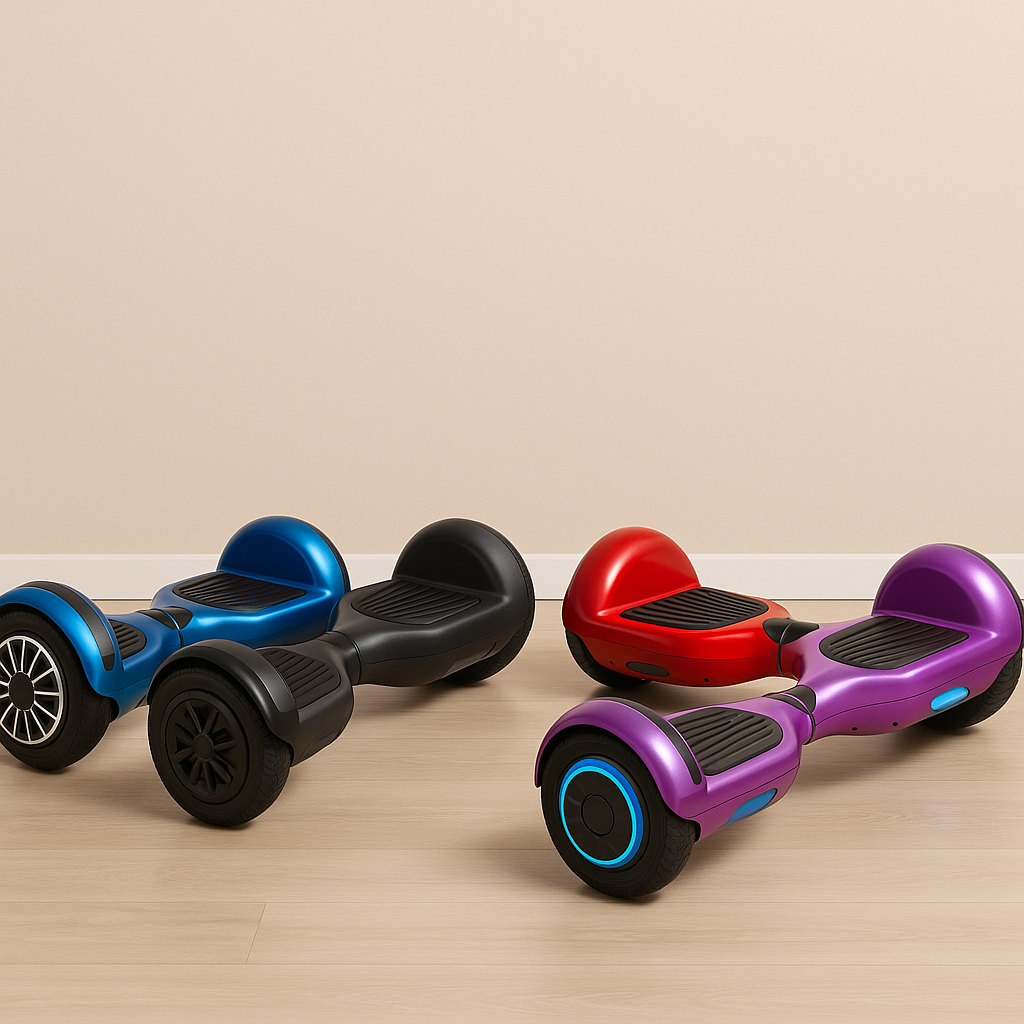
Hoverboards are a blast to ride, but they’re not toys to take lightly – safety should always come first. Whether you’re a beginner or a seasoned rider, it’s important to be mindful of how to ride and care for your hoverboard safely. In this guide, we’ll cover crucial hoverboard safety tips that every rider should know. From protective gear and riding techniques to board maintenance and understanding local laws, these tips will help ensure you have fun and stay injury-free.
Riding a self-balancing scooter involves balancing on moving wheels, so a little preparation and precaution go a long way. Let’s jump into the top safety practices for hoverboarding:
1. Always Wear Protective Gear
It doesn’t matter if you’re just learning or you’ve been riding for years – wearing safety gear is non-negotiable. This is your first line of defense against injuries:
- Helmet: A proper helmet (like a bicycle or skate helmet) is a must. Head injuries can be serious, so protect your skull anytime you ride. Ensure it fits snugly and is buckled under your chin.
- Wrist Guards: When people fall, they often put their hands out to catch themselves. Wrist guards can prevent fractures and sprains by stabilizing your wrists during impact.
- Knee and Elbow Pads: These pads cushion your joints if you tumble. Scraped knees or elbows are common hoverboard fall injuries, and pads make a huge difference.
- Closed-Toe Shoes: Don’t ride barefoot or in flip-flops. Wear flat, closed-toe shoes (sneakers are ideal) with good grip. They help you stay firmly on the board and protect your toes if the hoverboard bumps into something.
Safety tip: If you’re a new rider, consider additional protection like a tailbone pad or hip pads, which some skaters use. It might sound excessive, but when you’re learning, a little extra padding can make you more confident (because you know you’re protected if you fall).
2. Perform a Pre-Ride Equipment Check
Before each ride, do a quick once-over of your hoverboard:
- Battery and Lights: Is your battery charged enough for the ride you plan? Many accidents happen when a hoverboard suddenly loses power. Check the battery indicator – if it’s low, charge up first. Also ensure any indicator lights or headlights are functioning.
- Tires/Wheels: Inspect the wheels for debris, cracks, or wear. Remove any small stones or dirt stuck in the wheel area. If your model has inflatable tires, make sure they’re properly inflated.
- Foot Pads and Casing: Ensure the foot pads are clean and free of mud/oil (for good grip). The body of the board should have no cracks or loose parts. Tighten any visibly loose screws (most hoverboards have some screws on the underside holding the casing).
- Calibration: If the hoverboard hasn’t been used in a while or feels a bit off-balance, recalibrate it according to the manufacturer’s instructions (usually placing it level and resetting it). An uncalibrated board might not balance correctly, which is a safety hazard.
- Miscellaneous: Make sure nothing is rattling inside. If you hear loose components, don’t ride – something could be wrong internally.
This check takes maybe a minute or two, but it can prevent accidents caused by equipment malfunction. It’s similar to checking a bike’s brakes and tire pressure before riding.
3. Ride in Safe Environments
Where and how you ride greatly affects your safety:
- Smooth, Even Surfaces: Hoverboards are best on smooth pavement or indoor floors. Avoid very rough terrain, large cracks, or gravel which can cause sudden stops or throw off the balance. If you encounter a big bump or crack, stop and step off to carry the board over, rather than trying to ride through it.
- Dry Conditions: Do not ride in rain or through puddles unless your hoverboard is specifically rated for water resistance. Wet surfaces reduce traction, increasing the risk of slips. Water can also damage the board’s electronics or cause short-circuits – a major safety risk.
- Open Spaces: Especially for beginners, choose an open area away from traffic, pedestrians, and obstacles. Parks, empty parking lots, or wide sidewalks (where allowed) are good. Crowded sidewalks or near busy roads are dangerous for hoverboards – you could collide with someone or accidentally veer into traffic.
- Avoid Steep Hills: Most hoverboards can handle small inclines, but steep hills are risky. Going downhill is particularly hazardous because hoverboards don’t have traditional brakes; they rely on you leaning back to slow, and on a steep decline, gravity can overpower the motors. Stick to gentle slopes within your board’s capability.
- Well-Lit Areas: If you’re riding near dawn, dusk, or at night, make sure the area is well-lit and that your board’s lights are on. You want to be visible to others (and be able to see the path ahead clearly). Consider wearing a reflective vest or clothing at night.
4. Obey Local Laws and Guidelines
Laws for hoverboards vary a lot by location, but it’s important to know and follow them:
- Where You Can Ride: In some cities or countries, hoverboards are not allowed on public sidewalks or roads. For example, in the UK it’s illegal to ride hoverboards on public streets/pavements – legal use is restricted to private property. Some US states allow them in certain areas (like bike paths or residential streets) but not in others. Check your local regulations or ordinances. If hoverboards are banned in public where you live, stick to private spaces to avoid fines or confiscation.
- Age Restrictions: There may be minimum age requirements. For instance, California law requires riders to be at least 16 years old to use hoverboards in public. If you’re a parent, ensure your child is of legal age and maturity to ride.
- Helmet Laws: Some regions mandate helmet use for hoverboards (similar to bicycle laws). Regardless of the law, you should wear one, but if it’s law, you could get a ticket for not doing so.
- Speed Limits: There might be speed restrictions (e.g., a city might say you can’t ride faster than 6 mph on sidewalks). Keep your speed reasonable, especially around others.
- No-Go Zones: Just like skateboards or bikes, certain areas (shopping malls, airports, some parks) prohibit hoverboards. Respect signs and rules – they’re often in place for pedestrian safety.
By following local laws, you not only keep yourself and others safe, but you also present hoverboard riders in a positive light to the community. Reckless or illegal riding can lead to stricter regulations for everyone, so let’s ride responsibly.
5. Master the Basics (Don’t Rush Tricks or High Speeds)
One of the biggest causes of hoverboard accidents is riders pushing beyond their skill level too soon. Here’s how to progress safely:
- Get Comfortable Slowly: When you first start, focus on balance and gentle movement (see our Beginner’s Guidefor detailed steps). Don’t attempt high speed or sharp turns until you’re fully at ease at low speeds.
- Use Beginner Mode if Available: Many hoverboards have learning modes that cap the speed and tune the sensitivity for newbies. Use that feature until you’re confidently riding without wobbles or missteps.
- Avoid Fancy Tricks Early On: It’s tempting after a few good rides to try spinning or maybe hopping off curbs. But until you have dozens of hours under your belt, avoid tricks. Even simple-looking stunts can go wrong and send you flying. Build up your riding fundamentals first (smooth starts/stops, controlled turning, navigating small bumps).
- One Rider at a Time: Never attempt to ride with someone else on the same hoverboard. It’s built for one person’s weight distribution. Two people will almost certainly cause a tumble and possibly damage the board.
- Keep Speeds Reasonable: Even if you can go 10+ mph on your board, consider the environment. In a crowded area, you should be going much slower (walking speed or below). Save higher speeds for open, clear paths and only if you’re comfortable managing speed. High speed crashes can be much more severe.
Remember, pride goes before a fall – literally, on a hoverboard! Don’t feel pressured to perform or go fast to impress others. The most impressive thing is a rider who is smooth, controlled, and safe.
6. Be Aware of Your Surroundings
Situational awareness is key to avoiding collisions and falls:
- Scan Ahead: Continuously scan the path in front of you. Look out for obstacles like cracks, poles, people stepping out of doorways, pets on leashes, toys on the ground, etc. The sooner you spot a hazard, the more calmly you can adjust or stop.
- Be Careful Around Pedestrians: If you’re sharing space with walkers, yield to them. They might not hear you coming. Give people plenty of space when passing, and consider politely saying “excuse me” or something audible if you need to overtake someone from behind (hoverboards are quiet, you can startle folks).
- No Headphones: It’s best not to wear earbuds or headphones while riding. You need to hear what’s around you – whether it’s a car approaching, a dog barking, or someone yelling a warning. Music is fun, but it’s safer played through the board’s built-in speaker (at a reasonable volume) than through ear-blocking headphones.
- Hands Free (No Phone Use): Don’t try to text or browse your phone while hoverboarding. Dividing your attention is risky. If you need to check your phone, come to a stop and step off.
- Mind the Weather: Wind can affect your balance, and wet leaves can be as slick as ice. In winter, never ride on ice or snow unless you have a specialized board that can handle it (most can’t). In fall, dry leaves can hide bumps or holes, and wet leaves are very slippery – approach leafy areas with caution or avoid them.
7. Maintain Your Hoverboard
Safe riding isn’t just about how you ride – it’s also about keeping your equipment in good shape. A poorly maintained hoverboard can fail unexpectedly:
- Battery Care: Only use the charger that came with your hoverboard or a manufacturer-approved replacement. Overcharging can be dangerous, so unplug it once it’s fully charged (most boards have an indicator light for full charge). Never charge the board unattended overnight. Make sure to charge in a dry, open area (not on a bed or carpet, and away from flammable materials) as a precaution.
- Avoid Overheating: After a long ride, your hoverboard’s motors and battery may be warm. Let it cool down before charging. Also, give the board a rest if it feels excessively hot during use.
- Tire/Wheel Maintenance: If your board has inflatable tires, check their pressure periodically and refill as needed to the recommended PSI. For solid wheels, keep them clean. Worn-out tires (losing tread) should be replaced to maintain good grip.
- Tighten and Adjust: Over time, screws can loosen and calibration can drift. It’s a good idea every so often to use a screwdriver on the external screws to ensure they’re snug. If you feel one side of the board is acting funny, it might be a loose connection or calibration issue – address it before riding again (consult the manual or a repair professional if needed).
- Keep It Dry: As mentioned, electronics and water don’t mix. If your board does get splashed, dry it off as soon as possible. Do not ride it if it’s soaked; bring it indoors, power it off, and let it dry completely. If it was submerged or heavily rained on, consider having it inspected for water damage.
8. Learn How to Fall Safely
No one likes thinking about falling, but knowing how to fall can actually reduce injuries if it happens:
- Protect Your Head and Wrists: If you sense a fall, try to tuck your chin to your chest (so your head doesn’t whiplash back and hit the ground) and aim to roll if possible rather than catch yourself rigidly. This is something taught in martial arts – dispersing impact by rolling.
- Don’t Fight Balance Too Hard: Sometimes, if you feel the board tipping, trying to over-correct can make it worse. It might be safer to step off (to the back, as mentioned in the beginner’s guide) and let the board tumble rather than you. You can replace a board, not your bones.
- Practice Dismounts: Practice stepping off backward calmly so it’s second nature. Panicked jumps forward are when people often twist ankles or fall improperly.
- Know When to Let Go: If you do fall, don’t try to grab the hoverboard on your way down. Your priority is your body, not stopping the board. The board will likely just stop or maybe gently bump something – better that than you contorting yourself trying to save it mid-fall.
Of course, the goal is not to fall at all. But staying relaxed (not tense) and knowing some basic fall techniques can mitigate harm.
9. Supervise Younger Riders
If you’re a parent or guardian of a child using a hoverboard, active supervision is important:
- Set Rules: Make sure your child knows where they can ride (e.g., only the backyard or driveway, not the street). Emphasize they must wear their helmet and pads – make it a condition of using the board.
- Beginner Mode for Kids: Use the learning mode or even extra speed caps if the hoverboard has a companion app. Keep the speed low for young riders until they demonstrate really good control.
- Limit Trick Attempts: Kids might try to imitate internet videos of hoverboard tricks. Gently discourage this until they are much older and experienced. What looks easy on YouTube can lead to broken wrists in reality.
- Check the Fit: Smaller kids might actually be too light to properly engage a hoverboard’s sensors (many boards have a minimum weight around 40 lbs/18 kg). If a child is below the manufacturer’s recommended weight, the board may not function correctly for them, leading to unpredictable behavior. In such cases, wait until they grow a bit more.
- Be Present: At least for the first several practice sessions, be there to help your child. You can hold their hand or spot them while they learn to mount/dismount. Not only is it safer, it’s a fun activity to share!
10. Stay Sober and Alert
This should go without saying, but never ride a hoverboard under the influence of alcohol or drugs. Your balance and reaction time are crucial on these devices – impairment can easily lead to an accident (and in some places, you could even be cited for DUI on a hoverboard). Also, avoid riding when overly tired or ill, as your coordination might be off.
Being mentally present is part of safety. If you’re upset, distracted, or in a hurry, those are not good times to jump on a hoverboard. Wait until you can focus on the ride.
Conclusion: Safety = More Fun in the Long Run
Hoverboards offer a unique and exhilarating way to get around, and by following these safety tips, you can ensure every ride is as safe as possible. To recap, gear up with protective equipment, keep your hoverboard in good condition, ride in appropriate places at sensible speeds, and always stay aware of your surroundings and limits.
Accidents can happen, but most hoverboard injuries are preventable with a little caution and common sense. It’s much more fun to ride when you’re not nursing scrapes or dealing with damaged property. So take the time to ride responsibly – you’ll enjoy the experience without unnecessary interruptions.
Before your next ride, give this guide a quick review or even share it with fellow hoverboarders. Safe riders set a good example and help keep our hoverboarding community welcome everywhere.
Next Steps: Now that you’re equipped with safety knowledge, you might want to ensure you have all the right gear and a reliable board. Check out our Best Hoverboard Accessories in 2025 for quality helmets, pads, and more. And if you’re still shopping for a hoverboard, read our Ultimate Hoverboard Buying Guide to choose a model with top safety features. Ride smart, and have fun out there!